Pilates Rehab
Pilates Rehab
What is Pilates?
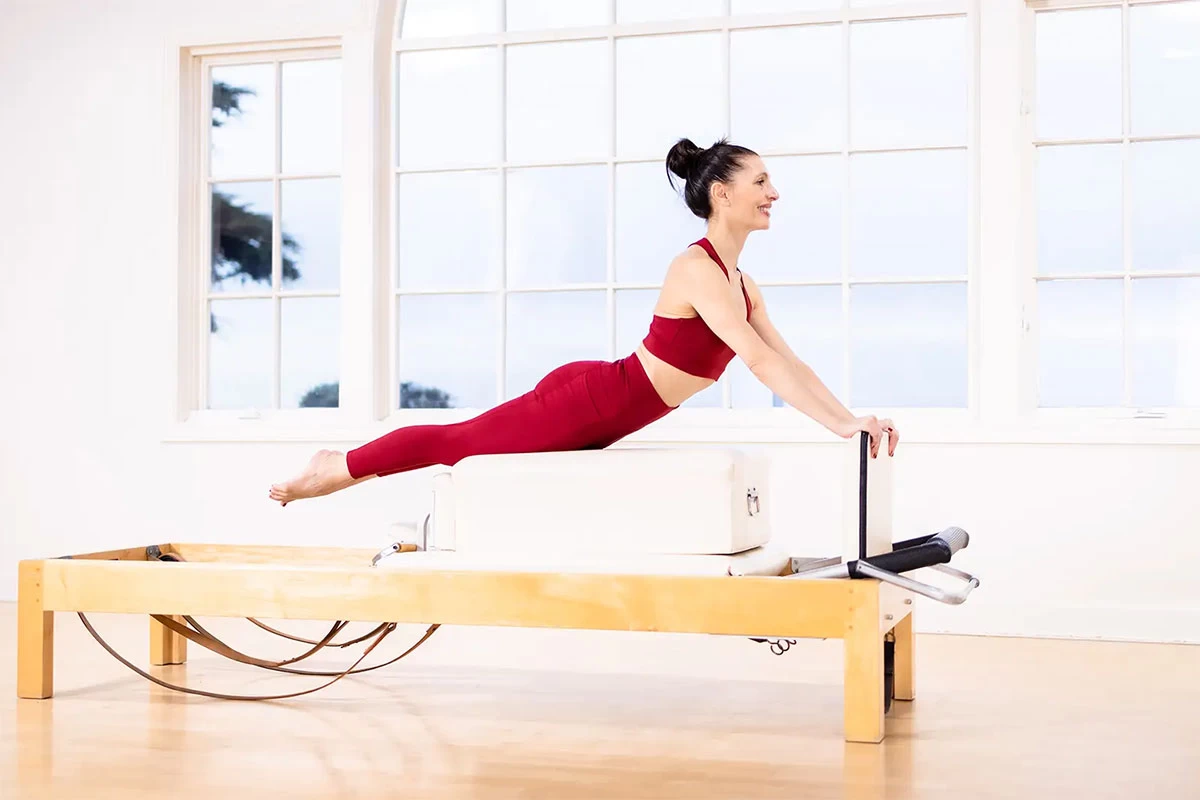
Pilates is a form of mind-body exercise developed by Joseph Pilates. It focuses on building strength from the core, often called the "powerhouse" (which includes your deep abdominal, back, and pelvic floor muscles). Unlike some forms of exercise that prioritize large muscle groups, Pilates emphasizes controlled, precise movements, proper breathing, and alignment.
The ultimate goal is to improve overall control, stability, and efficient movement patterns that translate into your daily life.
Book an appointment today
How Does It Work on Conditions?
Pilates is not a one-size-fits-all workout. When applied therapeutically, it is carefully tailored to your specific needs. Here’s how it works on common conditions:
- Back Pain (Non-Specific & Chronic): This is where Pilates shines. Weak deep core and stabilizer muscles often contribute to back pain. Pilates directly targets these muscles, teaching them to "switch on" and support your spine effectively. This reduces strain on passive structures like ligaments and discs, alleviating pain and preventing recurrence.
- Post-Injury Rehabilitation (e.g., Post-Surgery, Sprains/Strains): After an injury, the surrounding muscles can become weak and proprioception (your body's sense of its position in space) is impaired. Pilates provides a safe, controlled environment to re-educate these muscles and restore joint stability without overloading healing tissues.
- Postural Issues (e.g., Neck Pain, Rounded Shoulders): Many of us have poor posture from sitting at desks. Pilates strengthens the weak postural muscles (like the mid-back) and stretches the tight ones (like the chest and front of the neck), helping to rebalance the body and reduce pain caused by muscular imbalances.
- Osteoarthritis: For arthritic joints, we need movement that maintains range of motion without causing high impact. Pilates is low-impact and strengthens the muscles around the joint (e.g., the knee or hip). This creates a "natural brace," reducing load and friction on the joint, thereby decreasing pain and improving function.
- Pelvic Floor Dysfunction: The principles of Pilates are deeply connected to pelvic floor engagement. It can be invaluable for conditions like stress urinary incontinence or pelvic organ prolapse by improving the coordination and strength of the deep core and pelvic floor muscles.
- Balance and Fall Prevention: By challenging your stability in a controlled way and enhancing core control, Pilates significantly improves balance and proprioception, which is crucial for older adults or those with neurological conditions